

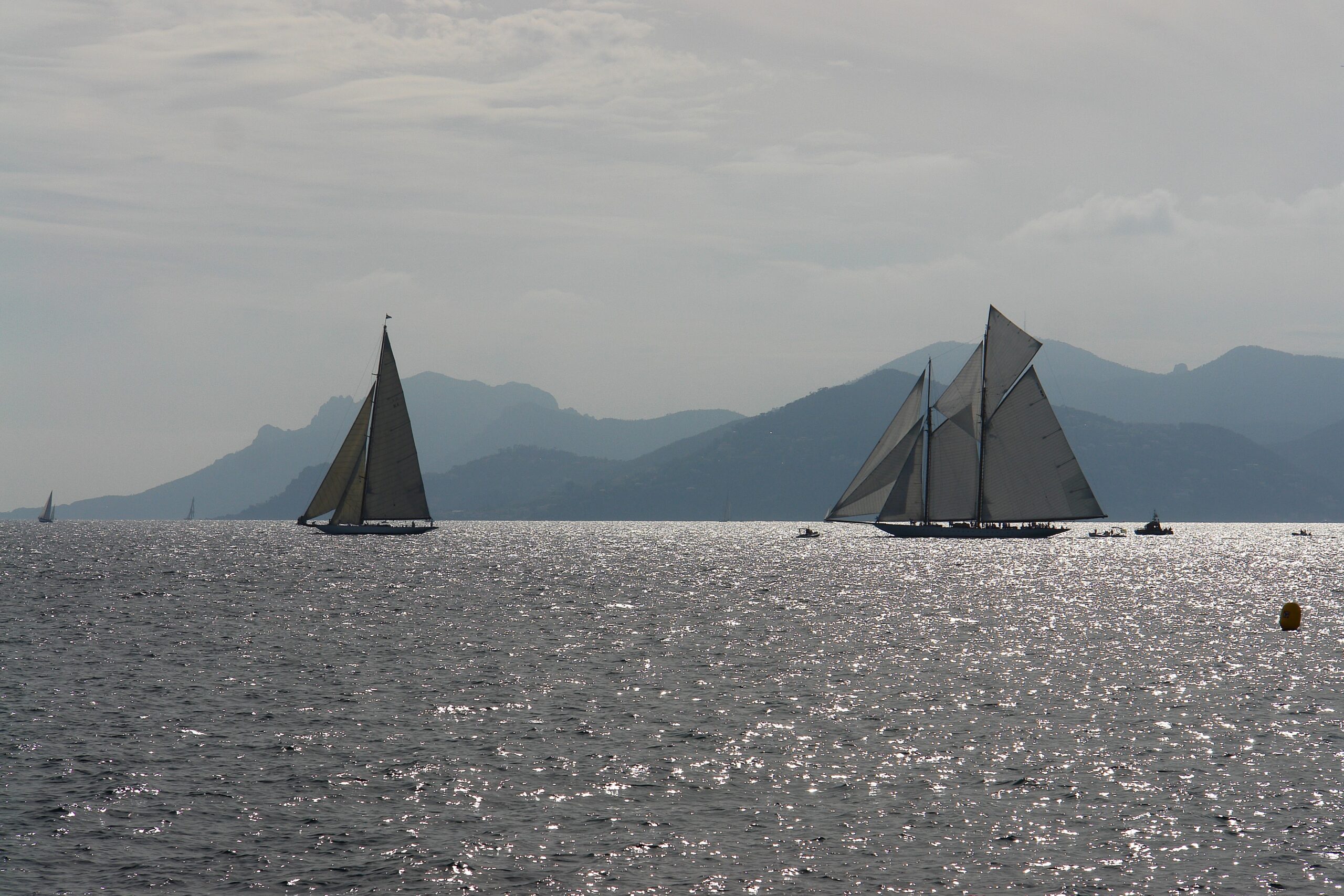
Most people who visit Cannes for the first time come for the Croisette and the glamour. Most people who visit Cannes a second time go to Le Suquet. The real Cannes is not the boulevard with the palace hotels. It is the fishing quarter on the hill behind the port, the Lérins Islands offshore, the covered market at Forville, and the old town streets that have nothing to do with film festivals.
Le Suquet is the original Cannes, built on a hill above the old port while the Croisette was still marshland. The streets climb steeply from the harbour to the 11th-century Tour du Suquet at the top. The view from the tower takes in the bay, the two islands of Lérins, the Esterel mountains to the southwest, and on a clear day the Alps to the north.
The streets below the tower are lined with restaurants that have been serving the same simple Provençal food, soupe de poisson, bouillabaisse, grilled sea bass from the port below, for fifty years. If you eat in Cannes and you are not eating in Le Suquet, you are eating in the tourist section of the city.
The covered market at Forville operates every morning except Monday and is one of the best food markets on the Riviera. The vendors sell what is in season from the surrounding region: tomatoes from the Var, melons from Cavaillon, cheese from the mountain farms above Grasse, olives from the Alpes-Maritimes, fish from the Cannes fishing boats that still operate out of the old port.
The market is at its best before 9am when the professional buyers are there alongside the tourists and the local residents. By 11am, the serious shopping is done. Come early with your guide and you will see the city provisioning itself for the day.
Two islands sit in the bay of Cannes: Île Sainte-Marguerite and Île Saint-Honorat. A boat from the old port reaches the larger island in 15 minutes.
Île Sainte-Marguerite is where the Man in the Iron Mask was held between 1687 and 1698. The cell still exists in the Fort Royal on the island’s northern shore, and the museum inside the fort has the original iron door and documentation from the imprisonment. Nobody knows with certainty who the prisoner was, which is why the story still generates books. The island itself is almost entirely pine forest with walking paths along the coast and water clean enough to swim from the rocks.
Île Saint-Honorat is smaller and more remarkable. A Cistercian monastery has operated continuously here since the 5th century, interrupted only by Saracen raids and the Revolution. The monks produce wine, lavender honey, and a range of liqueurs from the island’s plants. The 11th-century tower at the water’s edge was built as a refuge when the Saracens came. It is still standing.
Yes, you should walk the Croisette. The boulevard stretches 1.7 kilometres from the Palais des Festivals at the port end to the Palm Beach casino at the eastern tip, and the architecture of the palace hotels along its length is genuinely impressive. The Carlton, the Martinez, the Majestic, the JW Marriott (the former Palais Stephanie), these are Riviera institutions, built in the early 20th century for a clientele that arrived by train from Paris for the winter season. The Cannes season was a winter event. The Film Festival came later.
The beach clubs along the Croisette charge for access to their sections of sand. The public beach sections between them are free. The water in the bay is clear and the swimming is good from May through October. In July and August, every beach club is full by 10am.
If you happen to be on the Riviera during the Cannes Film Festival in May, Cannes is transformed but not in the way most people expect. The main events are invitation-only. What you can see from the public areas is the red carpet arrivals at the Palais des Festivals, the yacht flotilla in the harbour (which doubles during the festival), the celebrities having lunch at the beach clubs, and a general escalation of the city’s ambient level of beautiful people. The atmosphere is worth experiencing. Getting a ticket to any official screening requires credentials.
Cannes is 45 minutes west of Nice by car and makes a natural western anchor to a Riviera day that combines it with Antibes and Saint-Paul-de-Vence. Half a day is enough to see Le Suquet, the market, the Croisette, and the port. A full day adds the islands, lunch, and a proper look at Antibes on the way back.
For more on what a private tour of Cannes covers, read our dedicated Cannes private tour page. Or share your dates directly and we will design the day around what you want to see.